Eco-anxiety
Eco-anxiety does not take a holiday.
At the end of summer, people often ask:
“Did you get to rest?”
The question sounds simple. It no longer is.
How can anyone fully rest while forests burn, families lose their homes, entire areas become unlivable, and animals lose their shelter, their pathways, sometimes their lives?
For some, summer was a pause.
For lucid minds, it may have been prolonged exposure to what the world can no longer contain.
The sun was there. The days were long. Yet beneath that light, something grew denser : a diffuse eco-anxiety, made of grief, unease, and an increasing inability to treat disaster as just another piece of information.
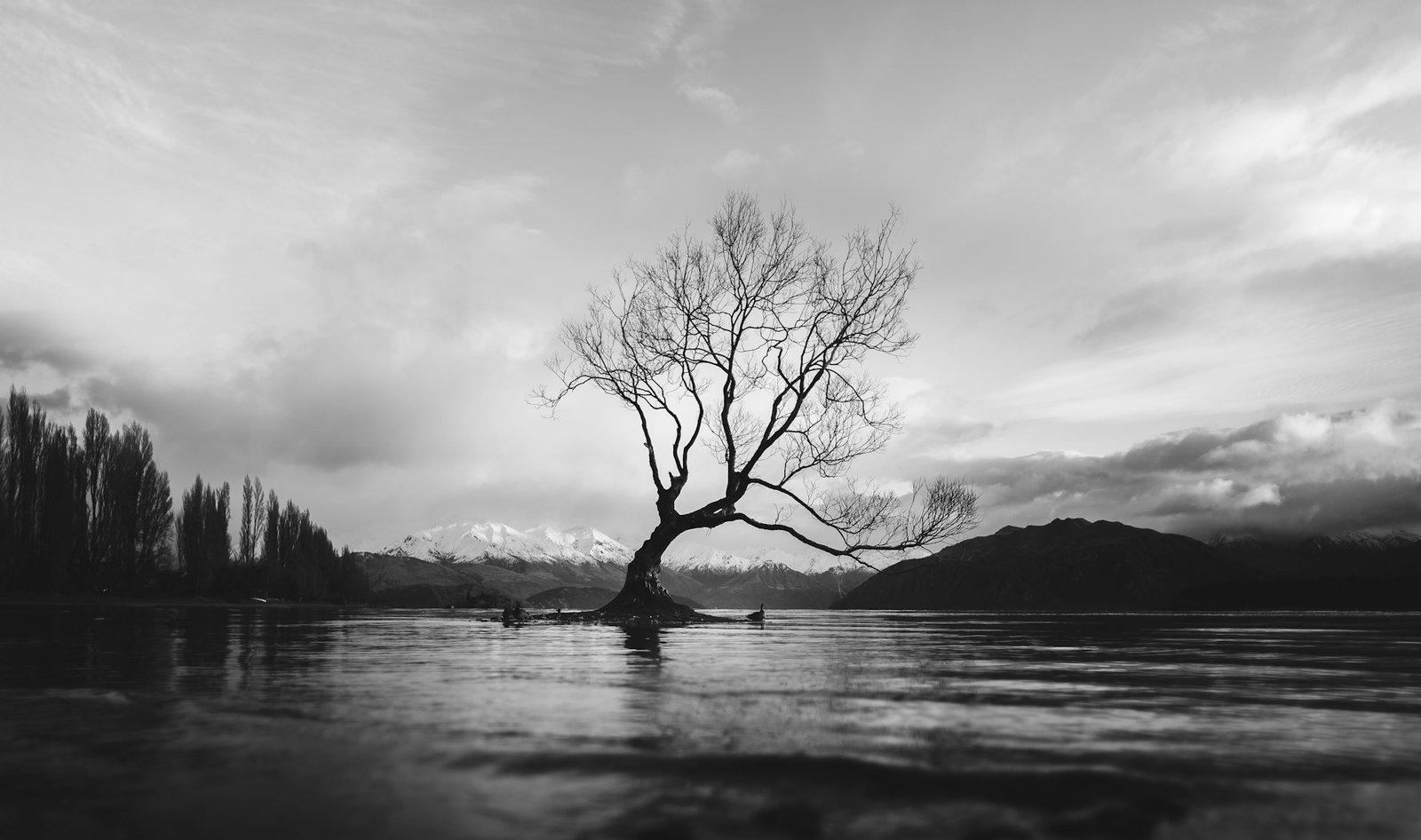
©Erico Marcelino
© Erico Marcelino
Eco-Anxiety: Fatigue That Does Not Come Only From You
There is a kind of fatigue caused by work, responsibilities, and short nights. It is visible, acknowledged, and easy to explain.
Then there is another kind : the fatigue of remaining psychologically open to a suffering world.
This fatigue linked to eco-anxiety does not always feel like fear. It can appear as unusual irritability, a need to withdraw, difficulty feeling joy without guilt, or saturation from the constant stream of images and news.
Looking away sometimes is not indifference.
Being unable to absorb everything is not weakness.
It is a threshold.
The nervous system has a limited capacity to receive, filter, and transform signals of threat. When it is exposed for too long to losses it cannot prevent or repair alone, it begins to conserve its resources: mental fog, exhaustion, withdrawal, loss of momentum.
This response does not betray your conscience.
It reveals that your inner architecture is trying not to dissolve beneath what it perceives.
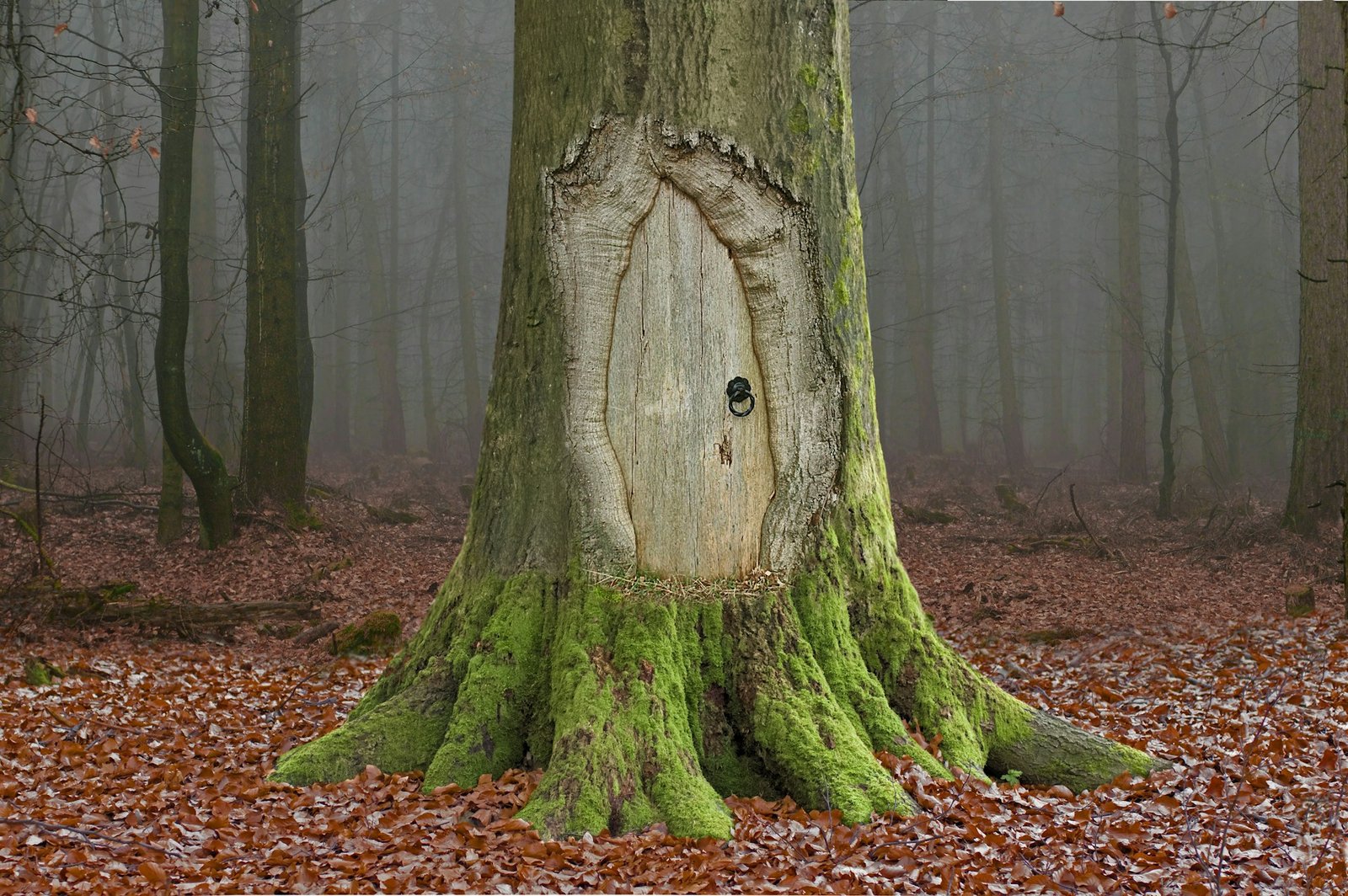
©Immo Wegmann
© Immo Wegmann
When Wildfires Become an Inner Storm
We often speak of the tree as a symbol of stability: roots, trunk, branches.
But when wildfires move through a summer, the tree stops being a simple metaphor.
It becomes exposed life.
A destroyed refuge.
A place where species hide, nest, travel, and survive.
A silent memory held by the soil.
Eco-anxiety therefore reaches deeper than intellectual concern. It touches the feeling that the oldest forms of protection — shade, forest, seasonal cycles, the continuity of life — are no longer guaranteed.
The roots represent what connects us to memory and continuity.
The trunk represents our capacity to remain upright without becoming rigid.
The branches represent what we carry : relationships, responsibilities, care for others, concern for the world.
But no branch can bear an infinite load.
When collective anxiety, personal demands, and permanent information streams accumulate, certain branches grow heavy. Not because they are weak, but because they have been asked to carry too much without enough water, silence, or time.
The sun may still light the forest.
That does not mean the inner soil is not already dry.
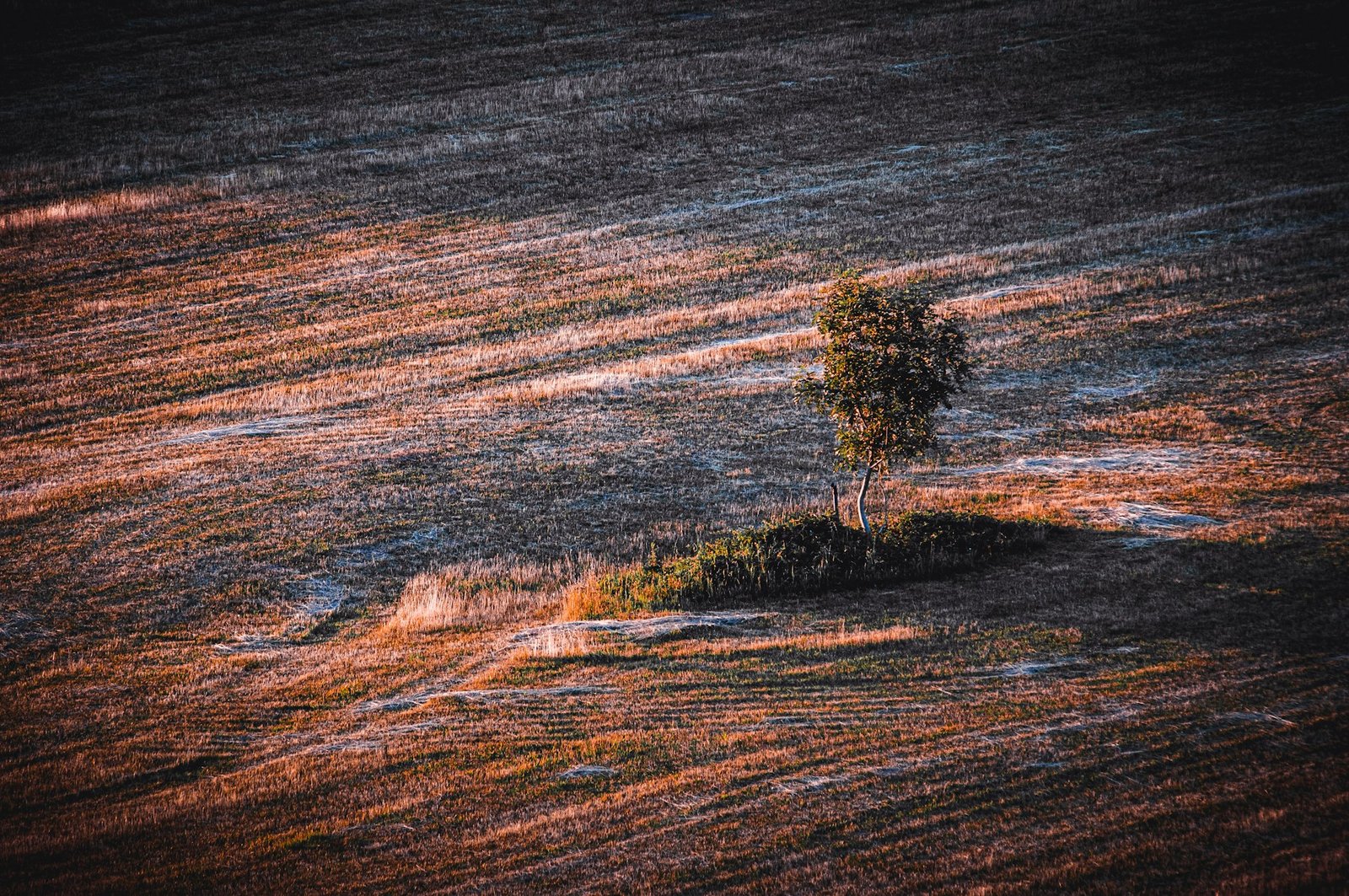
©Ondrej Supitar
© Ondrej Supitar
Rebuilding With Eco-Anxiety, Without Being Consumed
When the world burns, it is tempting to want to return to “before.”
Before the wildfires.
Before the warnings.
Before it became impossible to believe that life itself could endlessly absorb what we impose upon it.
But rebuilding cannot mean recreating the old world with new materials.
The old world already demanded too much: too much speed, extraction, availability, and silence in the face of collapse. It praised performance even as its foundations cracked. It often confused endurance with self-abandonment.
Eco-anxiety does not ask you to collapse alongside the world. It asks you to refuse becoming numb to what destroys it.
That begins with an essential distinction: protecting your nervous system does not mean turning away from reality. It means preserving your capacity to remain in relationship with it.
You might choose :
-
To limit information streams that turn awareness into saturation.
-
To create spaces without urgency, where your attention becomes inhabitable again.
-
To return to living things without turning nature into another performance.
-
To stop calling it resilience when people endure the unbearable without being heard.
A lucid mind cannot carry the world’s fire alone.
But it can refuse to add contempt to destruction.
It can discern what belongs to it, what it can genuinely support, and what it must stop normalising.
It can turn lucidity into presence rather than punishment.
After the Fire, Choose What Grows Back
After a fire, there is a black earth.
It does not immediately look like a promise. It asks for neither forced optimism nor elegant indifference. It asks a more demanding question:
What do we want to grow back here ?
It stops being only an internal alarm. It becomes a demand for coherence. Not the kind of lucidity that watches disaster until it is consumed by it, but the kind that looks without turning away, then consciously chooses what to protect, what to nourish, and what it refuses to let become normal again.
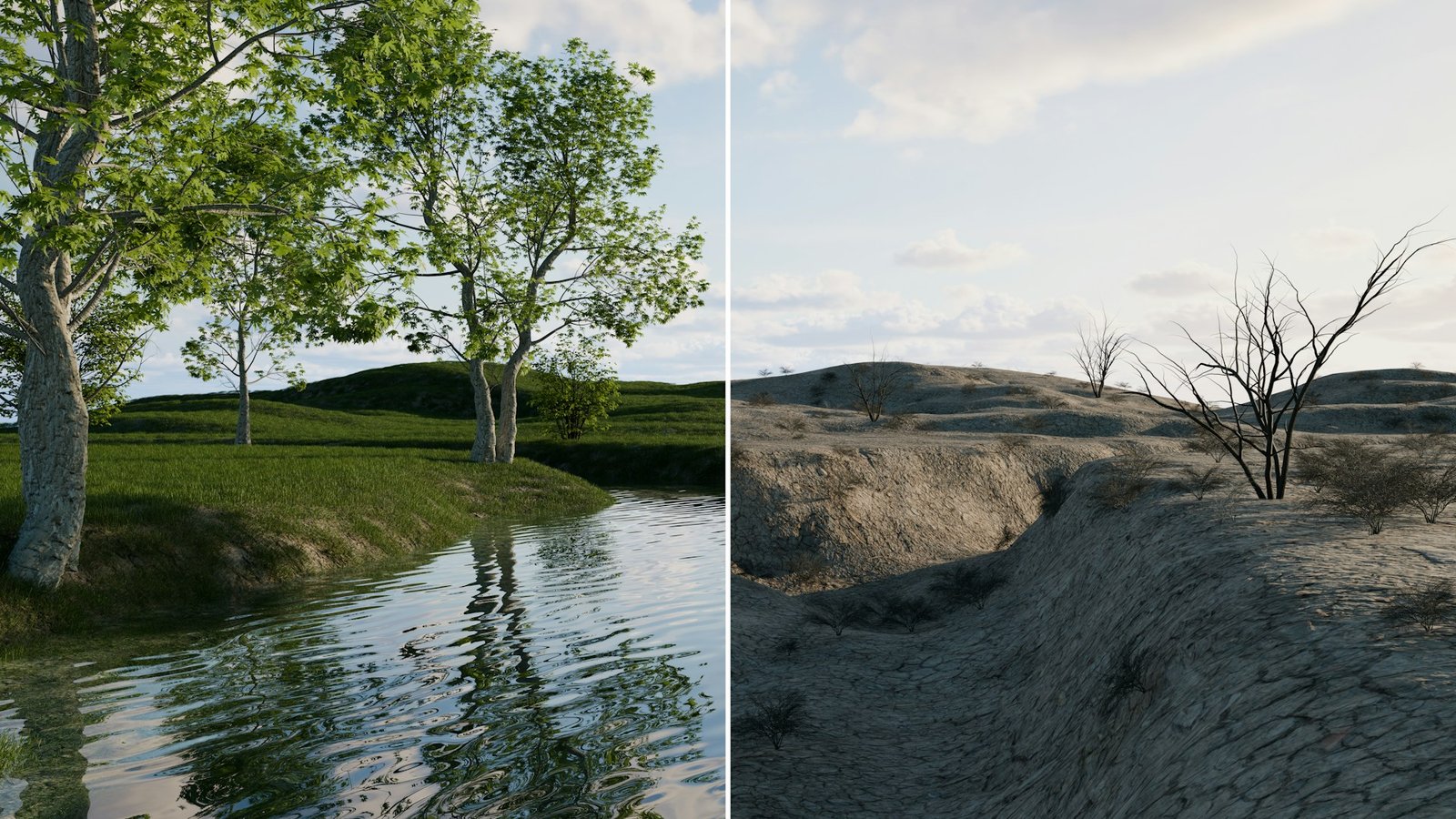
©A Chosen Soul
© A chosen soul
Share this article
Follow me
A quick look at what this article covers.
Last articles
August 26, 2026
August 26, 2026